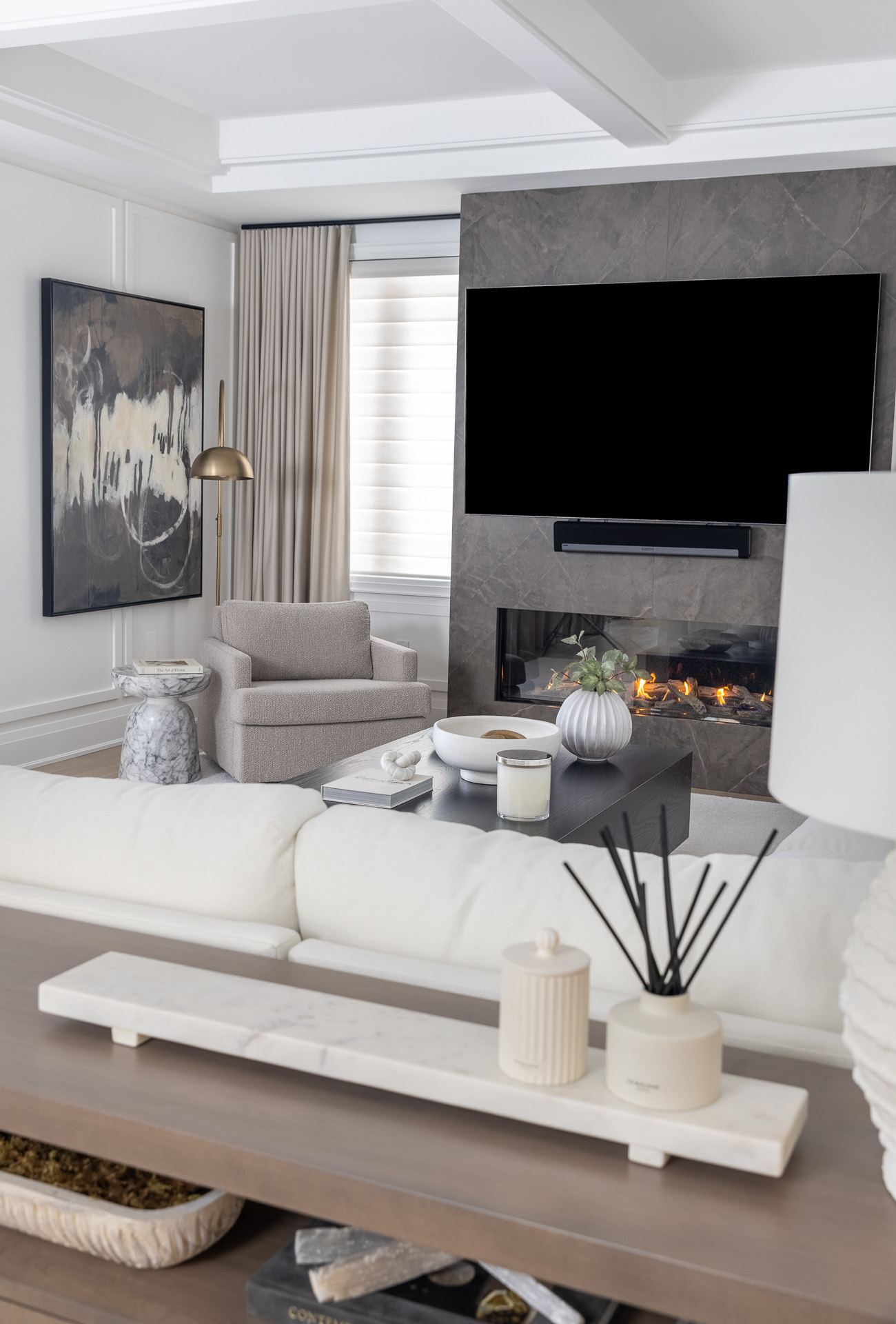
AI interior design tools are everywhere right now. You can upload a photo of your room, type in a few prompts, and instantly see your space transformed into something completely different. Modern organic, Parisian apartment, quiet luxury. Whatever style you’re curious about, AI can generate it in seconds.
And honestly, we get the appeal.
As interior designers, we actually think AI can be a really useful tool. It helps people visualize possibilities, narrow down styles they’re drawn to, and communicate ideas more clearly. For a lot of homeowners, it also makes the design process feel less intimidating because they can finally start to “see” what’s possible in their home.
In fact, one of the best uses for AI is helping people come into the design process with a clearer visual direction. Sometimes clients know how they want their home to feel but struggle to explain it. AI can help bridge that gap.
AI interior design tools are becoming more advanced every day, and we think they’ll continue to play a role in helping homeowners visualize ideas.
But after seeing more and more AI-generated interiors and having clients bring them to us as inspiration, we’ve also noticed where things can start to fall apart between the image and reality.
One of the biggest issues we see is scale and functionality. While AI tools are improving quickly, many of the fast visualization platforms people are using online still struggle with real-world spatial planning. A room might look beautiful at first glance, but when you really study it, things often don’t make sense. We’ve seen sofas overlapping fireplaces, dining tables with no room to walk around them, cabinetry doors that physically couldn’t open, and layouts that interrupt the natural flow of the space.
That’s because AI is focused on generating an image, not necessarily designing a room people have to live in every day.
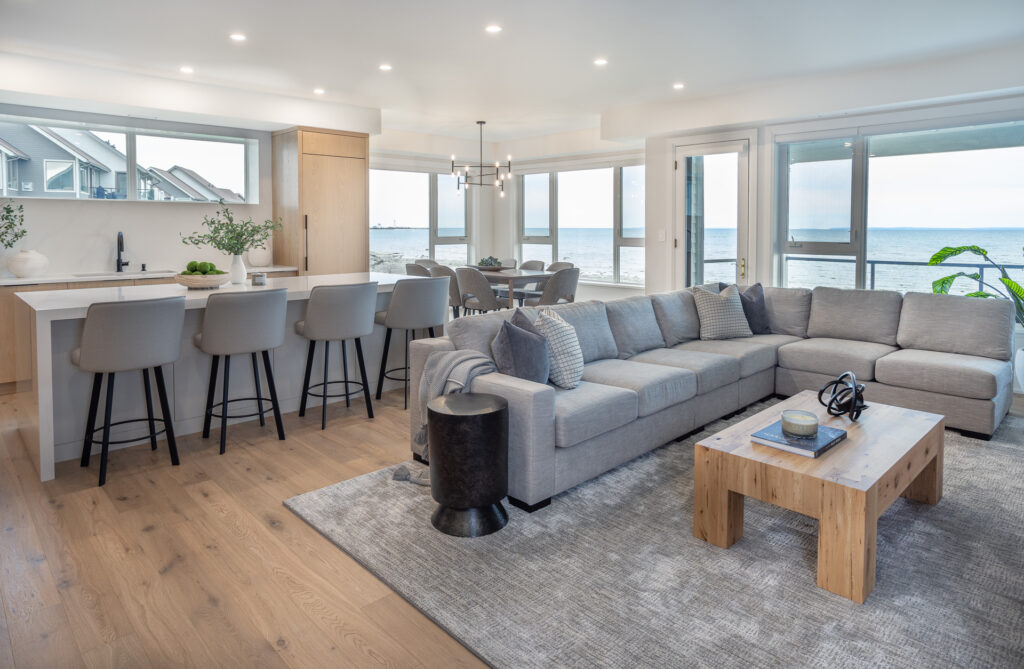
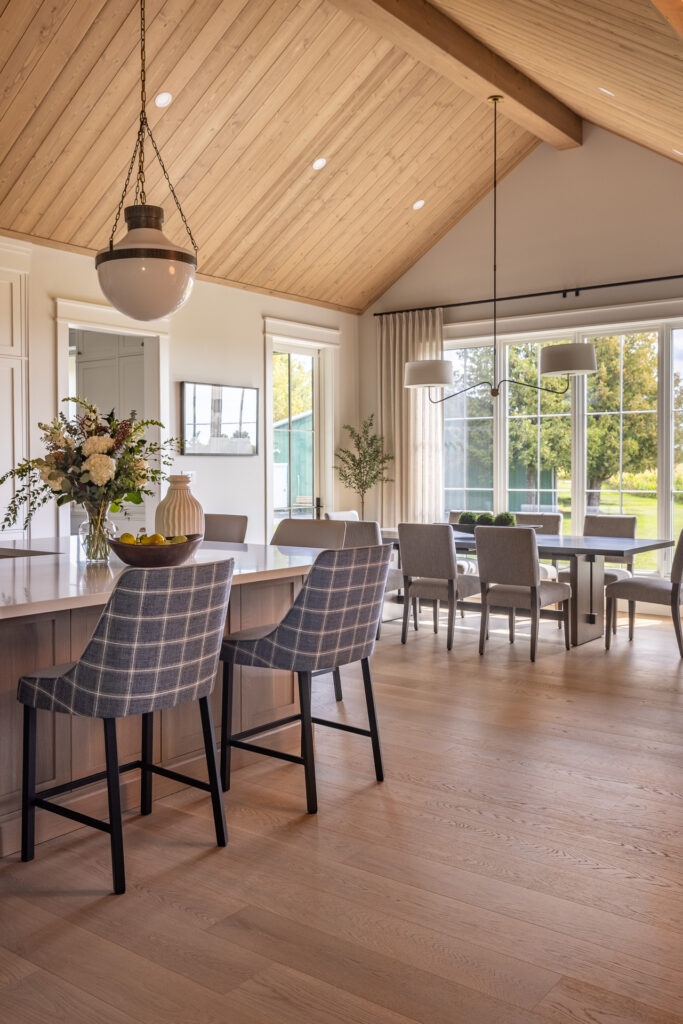
Another thing people don’t always realize is that while AI can absolutely be prompted with lifestyle details, most homeowners don’t actually know all the right questions to ask themselves yet. That’s a huge part of what designers do during the initial planning process.
At every consultation, we ask questions clients would never think to type into an AI prompt. How do you actually use this space? Do you host often? Do your kids do homework at the island? Are you someone who lounges or prefers more structured seating? Do you need hidden storage? What’s frustrating you most about the current layout?
Those answers completely shape the design direction.
We’re also thinking beyond just the one room being updated. We’re looking at how the new space connects to the rest of the home, how the architecture flows, what existing elements should be carried through, and how to make the update feel cohesive while still giving clients the refresh they’re looking for.
That becomes especially important in the variety of homes we work on throughout York Region and the GTA, from large expansive properties to smaller downtown Toronto homes with unique floor plans, architectural quirks, and existing design details that need to be thoughtfully worked with rather than ignored.
That human understanding is hard to replicate from a photo alone.
Budget is another area where AI can sometimes create unrealistic expectations. AI-generated interiors often include custom millwork, luxury finishes, oversized windows, designer lighting, and high-end furnishings without any understanding of what those choices actually cost in real life. It’s easy to fall in love with an image that may be far outside the intended renovation budget.
Part of our role as designers is helping clients understand where to invest, where to simplify, and how to create the biggest impact without losing the overall vision.
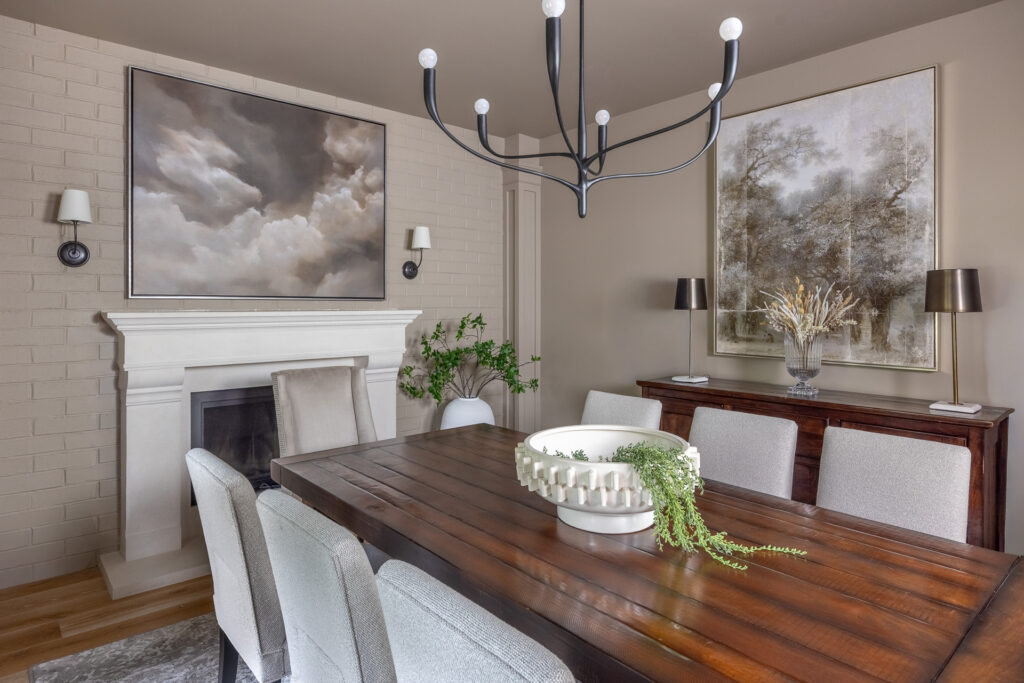
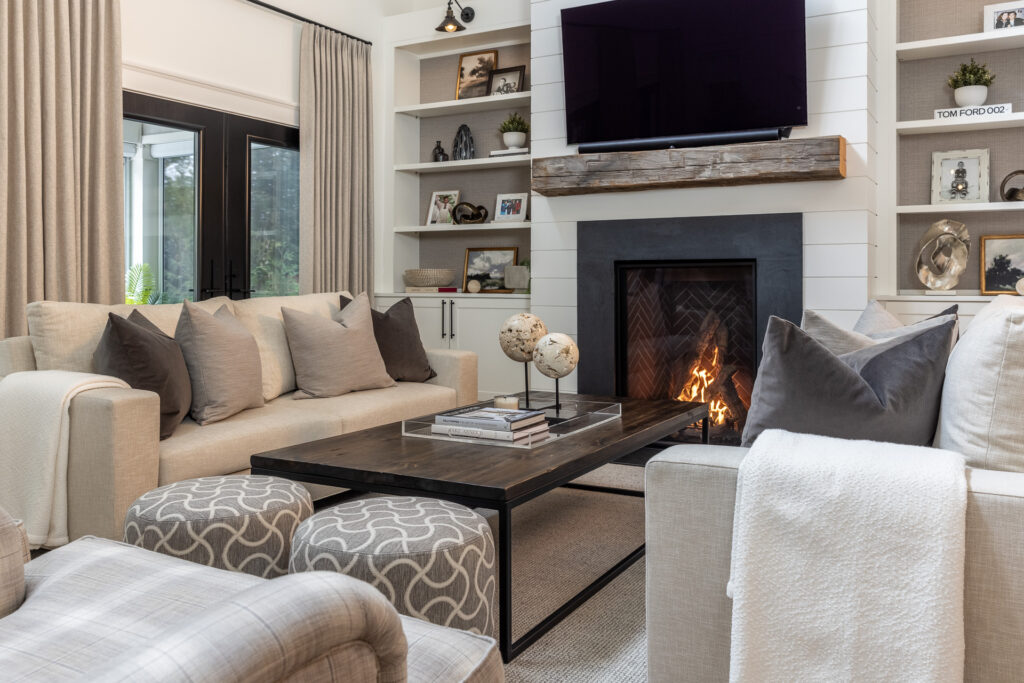
And finally, AI tends to design for the image itself. Real homes need more than that. They need comfort, function, durability, storage, personality, and flexibility. A chair can look sculptural and beautiful online and still be the most uncomfortable seat in your house. A home isn’t just one perfect angle on a screen. It has to support the people living in it every single day.
To be clear, we don’t think AI is replacing interior designers anytime soon, and we don’t think it’s something to fear either. We actually think it’s an exciting tool and one that will continue getting better very quickly. It can be incredibly helpful for inspiration, visualization, and even helping homeowners communicate ideas more clearly.
But there’s still a big difference between creating a beautiful image and creating a home that truly works for someone’s lifestyle. That’s really where the human side of design still matters most.
As Amanda said during our Niche Talks conversation, “AI can create beautiful inspiration images. Designers turn those ideas into livable homes.”
And honestly, that’s probably the best way to describe it. Because great design isn’t just about creating something beautiful. It’s about creating a home that works beautifully for the people living in it.
If you’re curious about how we approach the design process at Niche Decor, you can learn more about our design services here.
You can also explore some of our recent projects and see how we bring those ideas to life in real homes here.
Watch the Full Niche Talks Episode
In our latest Niche Talks conversation, Amanda and I talk about the rise of AI in interior design, where we think it’s incredibly useful, and the things homeowners should still keep in mind when using it to envision their space.
Watch the episode below:
Can AI Actually Replace Interior Designers? What AI Gets Wrong About Real Homes | Niche Decor